

Your scalp is skin. We forget that. We treat it like a surface that just holds hair, when really it is living tissue that reacts to stress, product buildup, hormones, and the weather. When it gets angry, it lets you know.
Understanding inflamed scalp symptoms and treatment starts with paying attention to what your scalp is actually doing. The itch. The tightness. The extra hair in the drain. These are not random. They are signals.
If you are postpartum, or running on little sleep, or just noticing your scalp feels off lately, you are in the right place. Let's walk through the five signs, one at a time, and exactly what to do about each.

What an inflamed scalp actually is
Inflammation is your body's response to irritation. On your scalp, that can mean a compromised barrier, disrupted oil balance, or follicles under stress. Left alone, chronic inflammation can crowd the follicle and make hair growth harder over time.
The good news is that a scalp is responsive. Change what you put on it, ease the pressure, and it settles. Here are the signs to read.
Sign 1: Persistent itching
An occasional itch is normal. Itching that follows you through the day is not. It usually points to a disrupted barrier or a reaction to something in your routine, often harsh sulfates or heavy residue.
What to do: simplify. Strip your routine back to the fewest, gentlest ingredients you can. Our Organic Shampoo Powder uses sodium cocoyl isethionate, a mild cleanser, plus aloe vera, matcha green tea, and apple cider vinegar to cleanse without stripping. Arrowroot and coconut milk powder round it out. That is the whole formula. Nothing on your scalp it does not need.
Sign 2: Flaking that comes back
Dry flakes, oily flakes, patches near the hairline. Flaking is one of the most common inflamed scalp symptoms, and it tells you the barrier is struggling to hold moisture and balance.
What to do: resist the urge to over-wash. Washing more strips more, which drives more flaking. Space out your wash days and let apple cider vinegar do its gentle work on scalp pH. If flaking is heavy, patchy, and painful, see a dermatologist to rule out a skin condition.
Sign 3: Redness and visible irritation
Part your hair and look. A healthy scalp is a calm, even tone. Redness, especially with warmth, is your scalp waving a flag. Common triggers are fragrance overload, tight styles, and product buildup sitting on the skin.
What to do: cut the buildup and cut the tension. Loosen your ponytails. Give your scalp full rest days. And be honest about how many scented, silicone-heavy products are layering up there. Less really is more.
Reading the deeper inflamed scalp symptoms and treatment that follows
The first three signs sit on the surface. The next two run deeper, into how your follicles are feeling and how much hair is staying put.
Sign 4: Tenderness or a sore scalp
Ever notice your scalp aches when you move your part or take your hair down? That tenderness is often inflammation around the follicles themselves. It can also come from constant tension, the same bun in the same spot every single day.
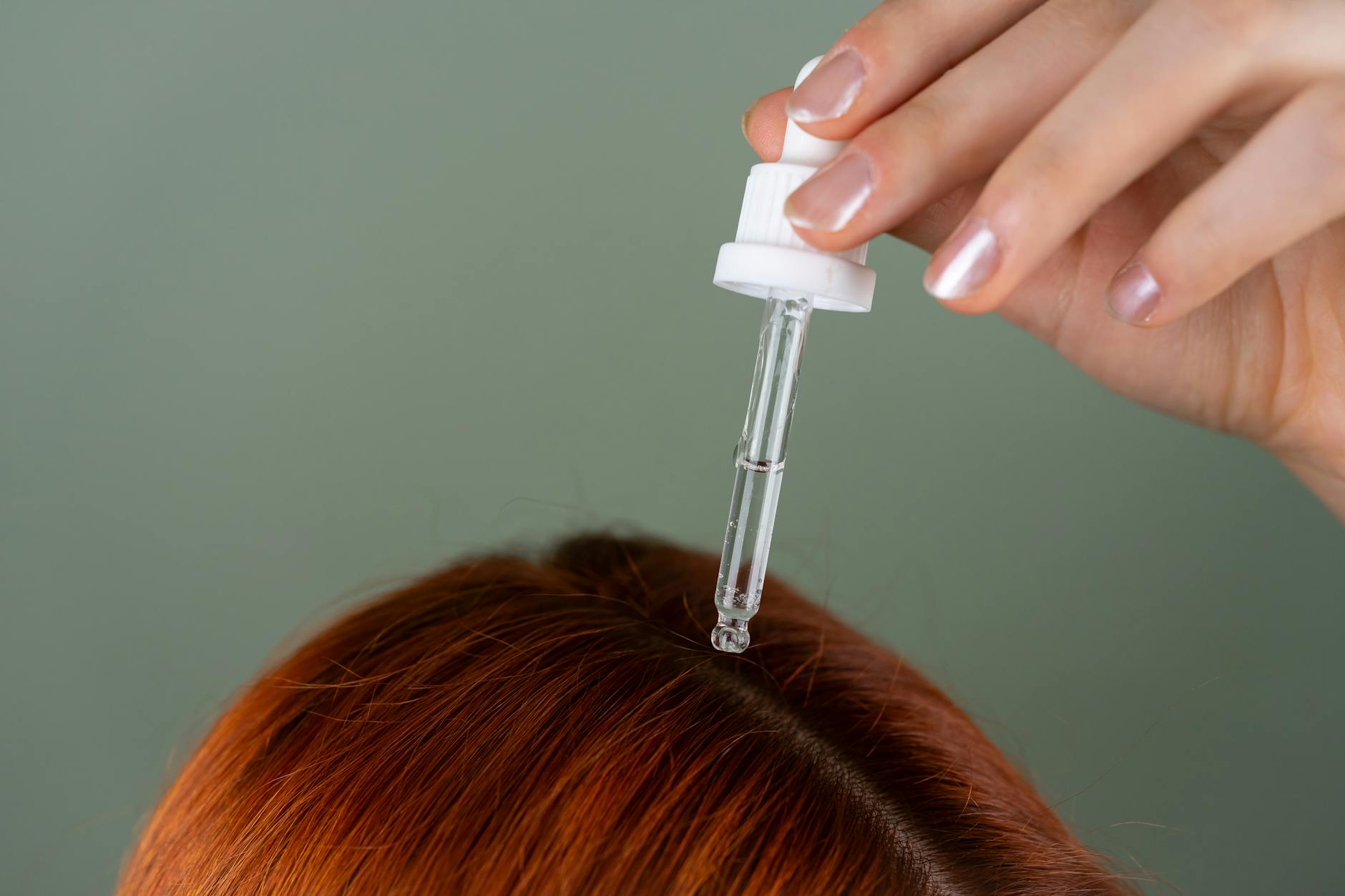
What to do: switch up where you part and how you tie your hair. Then feed the scalp. A few minutes of slow massage boosts circulation and brings nutrients to the follicle. This is where our Hair Growth Oil fits. It is three ingredients: pumpkin seed oil, stinging nettle infusion, and vitamin E. Pumpkin seed oil is studied for its role in modulating DHT, one of the hormones linked to hair thinning. Nettle supports scalp circulation. Vitamin E helps ease oxidative stress on the skin. Warm a few drops, massage in, breathe.
Sign 5: More shedding than usual
Some shedding is life. But a noticeable jump, more hair on the pillow, in the shower, wrapped around your brush, can trace back to an inflamed environment. When the scalp is stressed, follicles struggle to hold and to grow.
This one hits new moms especially hard. Postpartum shedding is real, and it lands right when you have the least energy to deal with it. Be gentle with yourself here.
What to do: focus on the scalp as soil. Calm the inflammation with a simpler routine, support circulation with massage and pumpkin seed and nettle, and give it time. Hair grows on its own schedule, not ours.
A quick word on the internet's favorite oils
You have seen the videos. Rosemary oil, castor oil, and a dozen others promised as miracle growth fixes. They are popular, but the research behind most of them is thinner than the hype suggests. We built Ceremony around ingredients we trust to be gentle and purposeful, which is why you will not find those on our labels. Pumpkin seed oil and nettle earn their place. That is the standard.
How to calm an inflamed scalp, step by step
Here is the simple version to keep in mind.
Simplify your cleanser
Fewer ingredients, milder surfactants, less fragrance. Give your scalp a break from the buildup.
Wash less, not more
Over-washing feeds inflammation. Find your rhythm and let your natural oils balance out.
Massage with intention
Two to three minutes of scalp massage, a few times a week, supports circulation to the follicle. Add a light, focused oil while you do it.
Protect the hair you have
Once your scalp settles, guard your lengths from breakage. Our Glossing Serum, led by broccoli seed and argan oils with sweet almond, flax, and vitamin E, smooths and shields without weighing hair down.
When to see a professional
Home care handles a lot. It does not handle everything. If you have persistent pain, spreading redness, sudden patchy loss, sores, or flaking that will not quit, please see a dermatologist. An inflamed scalp is sometimes a symptom of a condition that needs real medical care, and there is no prize for waiting it out alone.
Your scalp talks to you every day. The itch, the tightness, the shedding. Now you know how to listen, and what each sign is asking for. Start with one small change. Let your scalp do the rest.