

You reach up to tie your hair back and there it is. A small sore patch. It aches when you touch it, maybe even when you part your hair the usual way. So why is my scalp tender in one spot, you wonder, when the rest of my head feels fine?
You are not imagining it. A single tender area is one of the most common scalp complaints, and it almost always has a clear, fixable cause. The good news is that most reasons are simple. The better news is that the fix is usually gentle.
Let us walk through what is happening up there, and what you can do about it tonight.
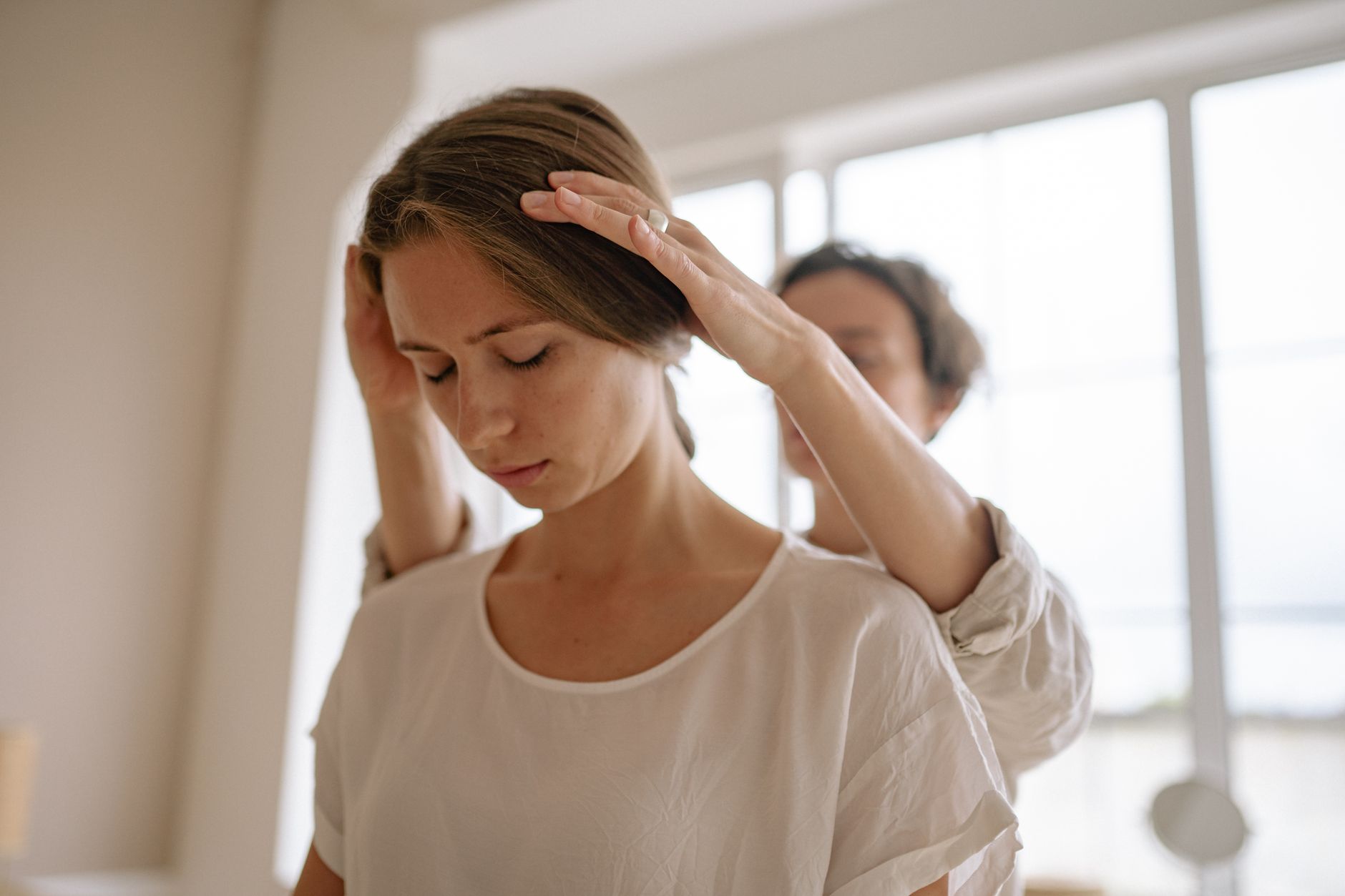
Why Is My Scalp Tender in One Spot? The Most Common Causes
Your scalp has thousands of nerve endings and hundreds of hair follicles packed into a small space. When one area gets irritated, it stands out fast. Here are the usual suspects.
1. Tight hairstyles and tension
This is the number one cause. A high ponytail, a tight bun, braids, or even sleeping on the same side every night pulls repeatedly on the same follicles. That constant tug inflames the area. It is called traction, and it shows up as a sore, tender patch right where the pull is strongest.
If you wear your hair up in the same spot daily, that is your answer. Switch sides. Loosen the elastic. Give that area a rest.
2. Product buildup and a clogged follicle
When residue from styling products, dry shampoo, or even hard water collects on one part of your scalp, it can block follicles and trap oil. The result is a tender, sometimes bumpy spot that feels sensitive to the touch.
A clean scalp is a calm scalp. This is where a gentle wash matters. Our Organic Shampoo Powder uses sodium cocoyl isethionate, arrowroot, aloe vera, matcha green tea, apple cider vinegar, coconut milk powder, and xanthan gum. The apple cider vinegar helps lift buildup without stripping, and the aloe calms. No harsh sulfates sitting on an already irritated spot.
3. Inflammation from a sensitive follicle
Sometimes a single follicle becomes inflamed on its own, a bit like a small blemish under the skin. You might feel a pinpoint of soreness before you see anything. This often clears on its own within a few days if you keep the area clean and leave it alone.
4. Stress and tension headaches
Scalp tenderness can come from the muscles underneath, not the skin itself. Tension in your neck and shoulders travels up. If your tender spot comes and goes with stressful weeks, this may be your cause. New moms, we see you. Sleepless nights and clenched jaws show up on the scalp too.
5. Hormonal shifts
Postpartum and perimenopausal hormone changes can make the scalp more reactive and sensitive overall. You may notice tender areas alongside more shedding than usual. This is common and usually settles as hormones level out.
How to Fix a Tender Scalp at Home
Most tender spots respond well to a few small changes. Start here.
Loosen up
Give your hair a few days down and free. Change your part. Swap tight elastics for soft scrunchies. If you sleep on one side, try a silk pillowcase to reduce friction on that spot.
Wash gently and fully
Clear out buildup with a mild wash, and make sure you rinse all the way. Residue left behind is a frequent repeat offender. Lukewarm water, not hot. Fingertips, not nails.
Massage the area
Once the acute soreness eases, light massage helps. It increases circulation and relieves muscle tension underneath. Two minutes with your fingertips, slow circles, is plenty.
Feed the follicle
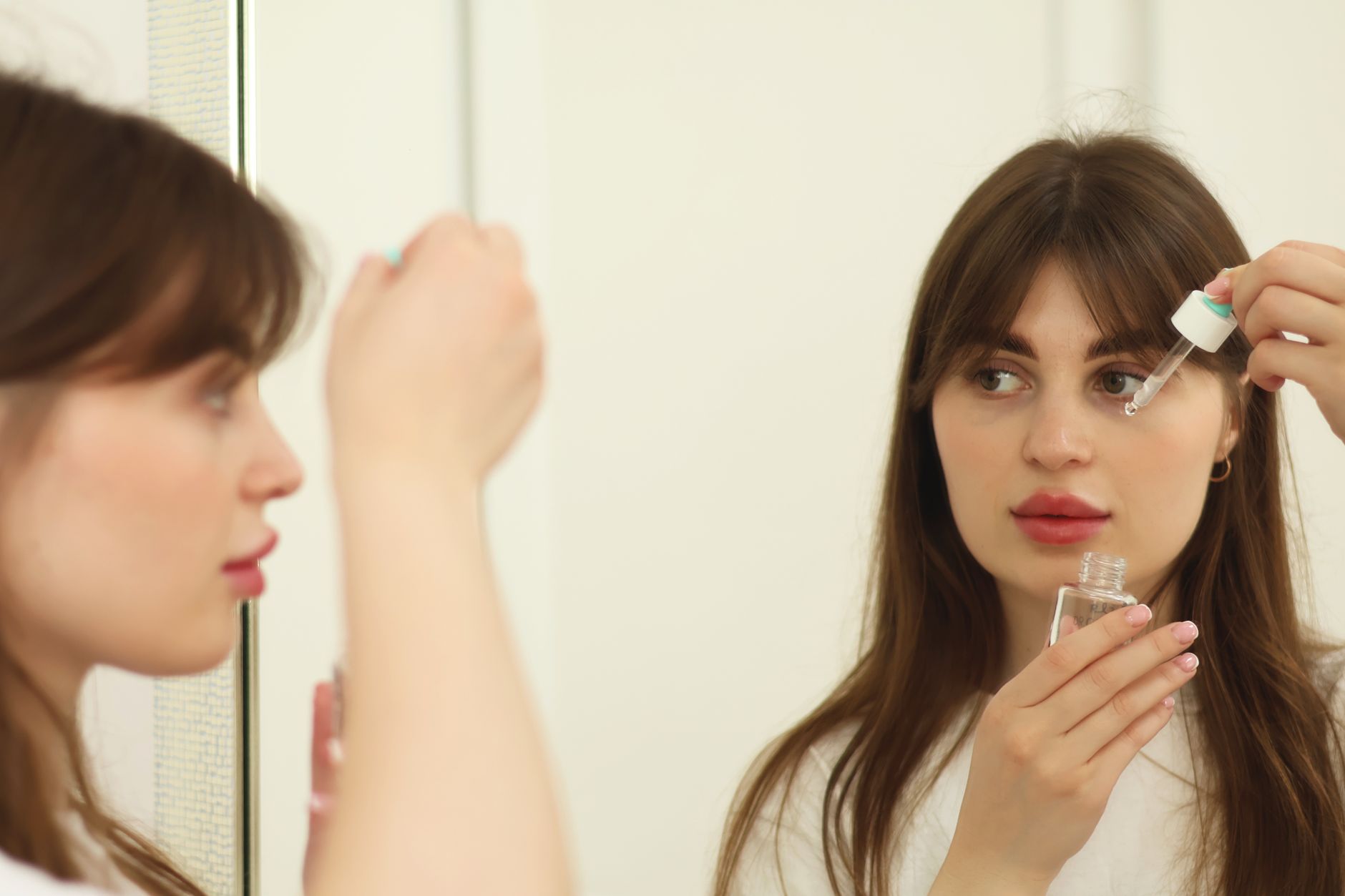
A calm, well-nourished scalp recovers faster. This is where the right oil earns its place. Our Hair Growth Oil is three ingredients and nothing else: pumpkin seed oil, stinging nettle infusion, and vitamin E. Pumpkin seed oil is studied for its role in DHT modulation. Nettle infusion supports scalp circulation. Vitamin E helps with oxidative stress at the follicle. Warm a few drops between your fingers and work it into the tender area while you massage.
Leave it alone when in doubt
Resist the urge to poke, scratch, or pick at the spot. That only prolongs the irritation. Keep it clean, keep it loose, and let your scalp do its work.
What About Rosemary and Castor Oil?
You have probably seen these two everywhere online for scalp and hair concerns. Here is our honest take. They are the internet's favorites, but the research behind them is thinner than the hype suggests. We do not use them. Our formulas lead with pumpkin seed, nettle, and vitamin E because those ingredients earn their spot and play well with a sensitive scalp.
A tender area is not the time to experiment with heavy, pore-clogging oils anyway. Keep it simple and light.
When to See a Professional
Most tender spots clear within a week or two with gentle care. See a dermatologist if you notice any of these:
- The spot lasts more than two weeks with no improvement
- You see redness, flaking, crusting, or pus
- Hair is falling out in that specific area
- The pain is severe or spreading
- You feel feverish or generally unwell
These can point to conditions like folliculitis, a scalp infection, or a skin condition that benefits from treatment. There is no prize for waiting it out.
Caring for Your Scalp Every Day
A tender spot is often your scalp asking for a little more attention. The habits that fix it are the same ones that keep it healthy long term. Loosen your styles. Wash gently and rinse fully. Massage to keep circulation moving. Feed your follicles with simple, well-chosen ingredients.
And once your scalp feels calm again, a few drops of Glossing Serum on your lengths brings back shine without weighing hair down. It is broccoli seed oil and argan oil at its heart, with sweet almond, flax seed, vitamin E, and an essential oil blend. For the roots and scalp, keep it light. For the ends, let it shine.
So the next time you wonder why is my scalp tender in one spot, you will know where to look first. Start gentle. Give it time. Your scalp usually tells you exactly what it needs.