

You wash. You condition. You add the serum, the mask, the leave-in. And your hair still feels like straw by noon. Sound familiar?
Here's the thing most haircare advice gets wrong. When it comes to dry hair causes, scalp dehydration is the part nobody talks about. You keep treating the ends. But the dryness often starts much higher up, right at the root, where your scalp either feeds your hair or it doesn't.
If you're a new mom running on three hours of sleep, or you're months past delivery and watching your hair change in ways you don't recognize, this matters even more. Your scalp has been through a lot. Let's talk about what's really happening.
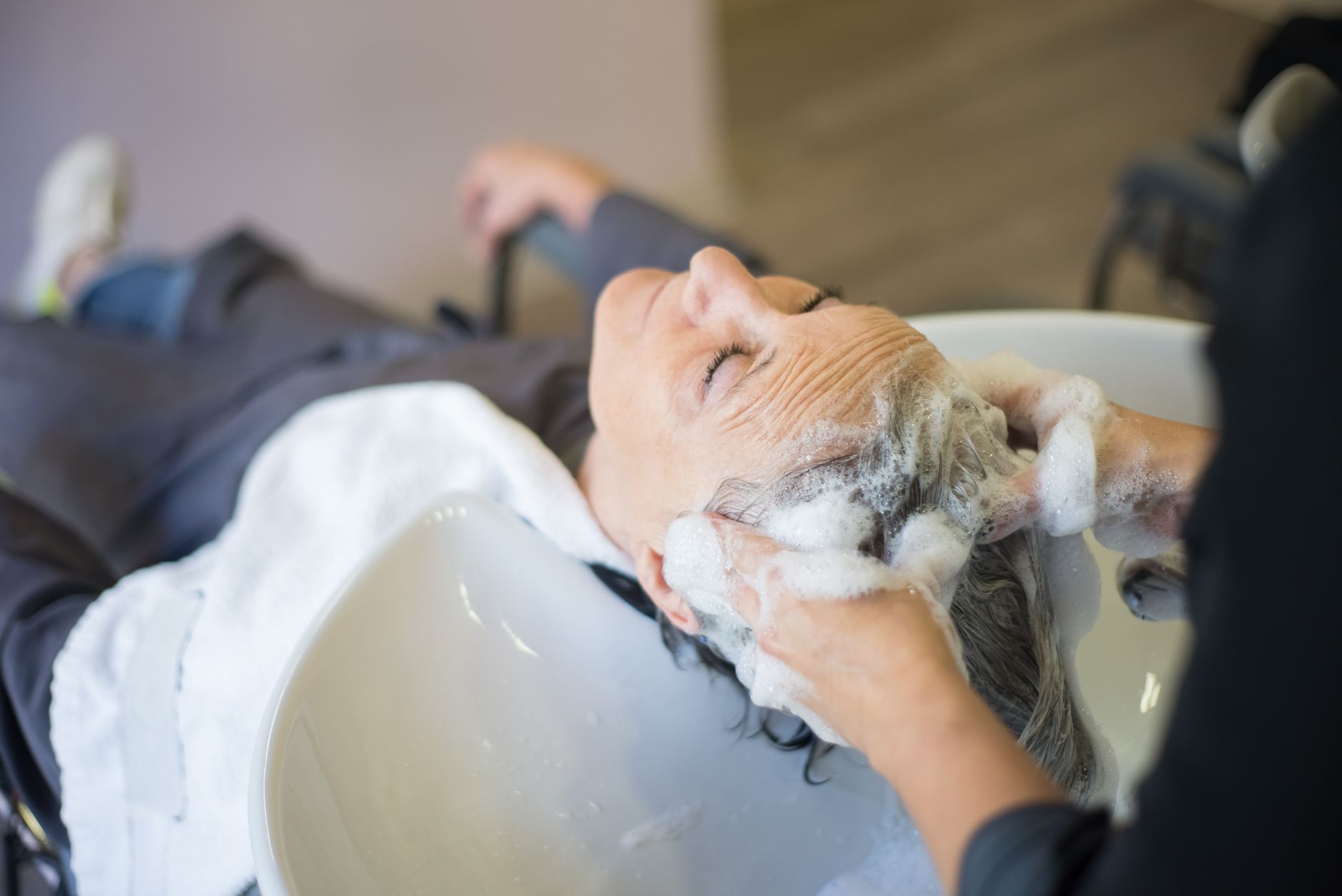
Dry Hair Causes and Scalp Dehydration: Where It Actually Begins
Your scalp is skin. Living skin, with its own moisture barrier and oil glands. When that barrier is disrupted, water escapes faster than it should. The skin gets thirsty. And when your scalp is thirsty, the hair growing out of it starts at a deficit.
This is why product after product can fall flat. A conditioner coats the strand. It does nothing for the environment that strand grows from. You're polishing the symptom and ignoring the source.
So what dehydrates the scalp in the first place?
Over-washing with harsh cleansers
Most shampoos use aggressive surfactants that strip everything, oil and water alike. They leave your scalp squeaky and tight. That tight feeling isn't clean. It's stripped.
Hormonal shifts
Postpartum changes hit hard. Estrogen drops after birth, oil production shifts, and hair that felt thick during pregnancy can suddenly feel brittle and dry. This is normal. It's also temporary, and it responds to care.
Hard water and heat
Mineral buildup sits on the scalp and the strand. Hot tools pull moisture out fast. Both leave hair feeling rough no matter what bottle you reach for.
Why Your Conditioner Can't Fix Dry Hair Causes Rooted in Scalp Dehydration
Conditioner works on the hair you can see. But hair is dead protein. By the time a strand reaches your ends, it's been growing for years, taking on every bit of damage along the way.
The only living part of your hair is below the surface, in the follicle. That's where moisture, circulation, and nutrition decide what your hair looks like before it ever emerges. If you want softer hair tomorrow, you have to care for the scalp today.
Think of it like a garden. You can mist the leaves all day. But if the soil is dry, the plant suffers. Your scalp is the soil.
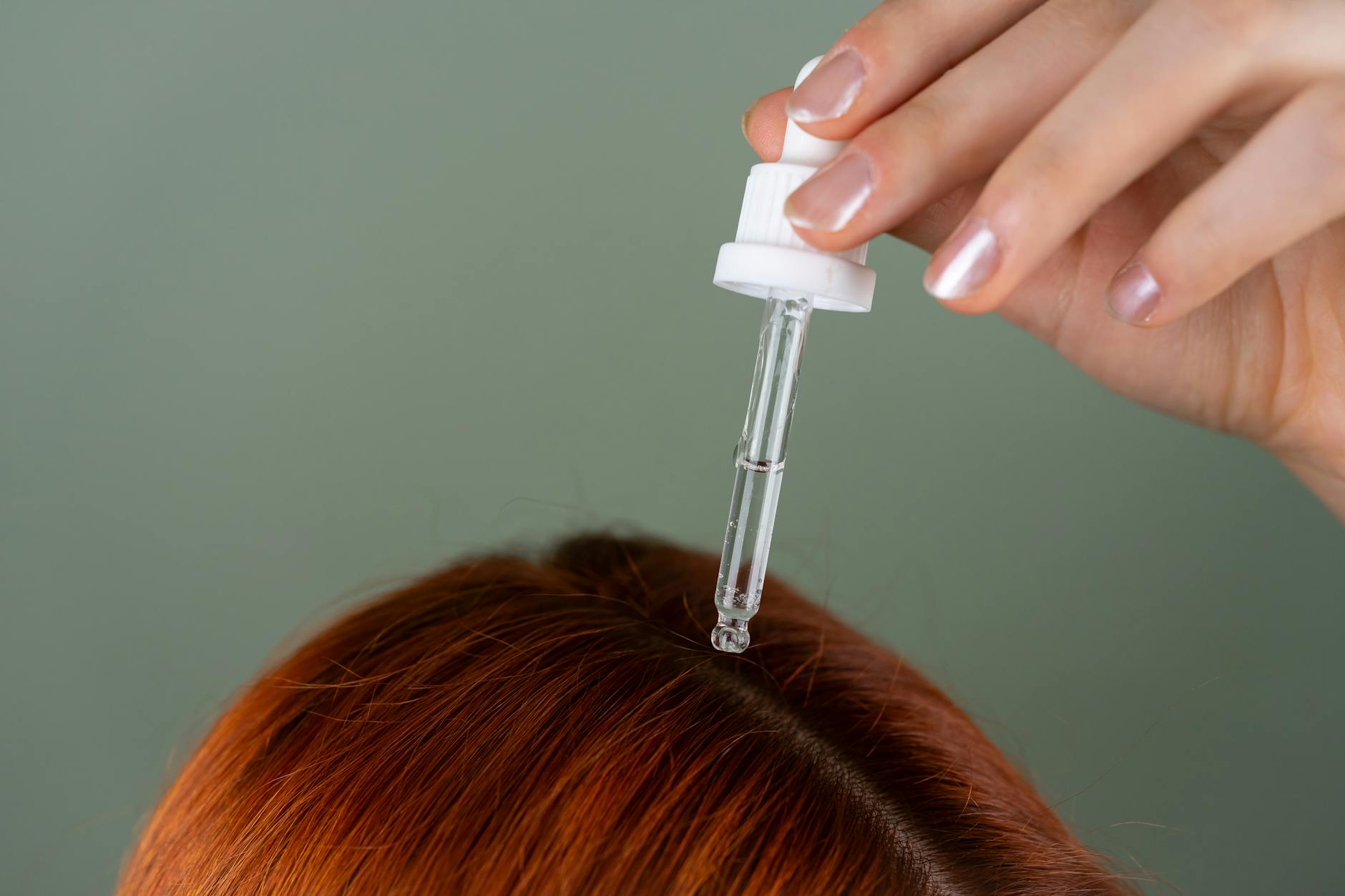
How to Bring Moisture Back, Starting at the Root
Good news. This is fixable. You don't need ten products. You need the right few, and you need to stop fighting your scalp.
Wash gently, not constantly
Switch to a cleanser that respects your moisture barrier. Our Organic Shampoo Powder uses aloe vera, matcha green tea, apple cider vinegar, arrowroot, xanthan gum, and a single mild surfactant called sodium cocoyl isethionate. That's the whole formula. The aloe calms and hydrates the scalp. The apple cider vinegar helps balance buildup. No stripping, no tightness, no straw.
You mix it fresh with water, which means no preservatives sitting in a bottle for two years. Just clean, simple ingredients.
Feed the follicle
Scalp circulation matters. Blood flow carries nutrients to the follicle, and a well-fed follicle grows stronger, more resilient hair. This is where our Hair Growth Oil earns its place.
The formula is three things. Pumpkin seed oil, which has been studied for its role in modulating DHT, the hormone linked to thinning. Stinging nettle infusion, traditionally used to support scalp circulation. And vitamin E, which helps protect the scalp from oxidative stress. That's it. Three ingredients doing real work.
You'll notice we don't use rosemary oil or castor oil. They're the internet's favorites, but the research behind them is thinner than the hype suggests. We chose ingredients we can stand behind.
Seal in shine without weighing hair down
Once your scalp is balanced and your follicles are fed, you can smooth the strand itself. Our Glossing Serum uses flax seed oil, broccoli seed oil, vitamin E, sweet almond oil, and an essential oil blend. Broccoli seed oil is a natural silicone alternative. It adds slip and shine without the plastic coating that builds up over time.
A few drops on damp ends. That's all it takes.
Small Changes That Help Your Scalp Hold Moisture
Beyond products, a few habits make a real difference.
Lower the water temperature
Hot water strips your scalp. Lukewarm is kinder. Your hair will thank you.
Drink your water and eat your fats
Hydration starts inside. Healthy fats, like the omega-3s in flax and fish, support the scalp's moisture barrier from within. This matters even more postpartum, when your body is still recovering and your reserves are low.
Be patient with timing
Hair grows slowly. Roughly half an inch a month. The hair you care for today shows up weeks from now. Consistency beats intensity every time.
What Dry Hair Is Really Telling You
Dry hair isn't a character flaw or a sign you're doing something wrong. It's information. Most of the time, it's pointing you back to your scalp, asking for gentler care and better nutrition at the root.
Stop layering more product on the ends and hoping. Start lower. Calm the scalp, feed the follicle, then smooth the strand. In that order.
You don't need a cabinet full of bottles. You need a few honest ones. If you want a simple place to begin, our Hair Growth Oil and Shampoo Powder work together to reset the scalp from wash day forward.
Your hair has been waiting for you to look in the right place. Now you know where it is.