

You noticed them in the mirror one morning. A soft halo of short, fuzzy strands framing your forehead and temples. After months of watching your hair fall out in the shower, those little baby hairs felt confusing. Are they a problem? Or are they progress?
Good news. Those baby hairs are usually a sign your hair is coming back. They are the new growth pushing up after postpartum shedding, and they mean your follicles are waking up again. This is one of the most reassuring things you can find after months of loss.
Let's talk about what these tiny strands really mean, why they show up when they do, and how to care for them with patience and the right routine.
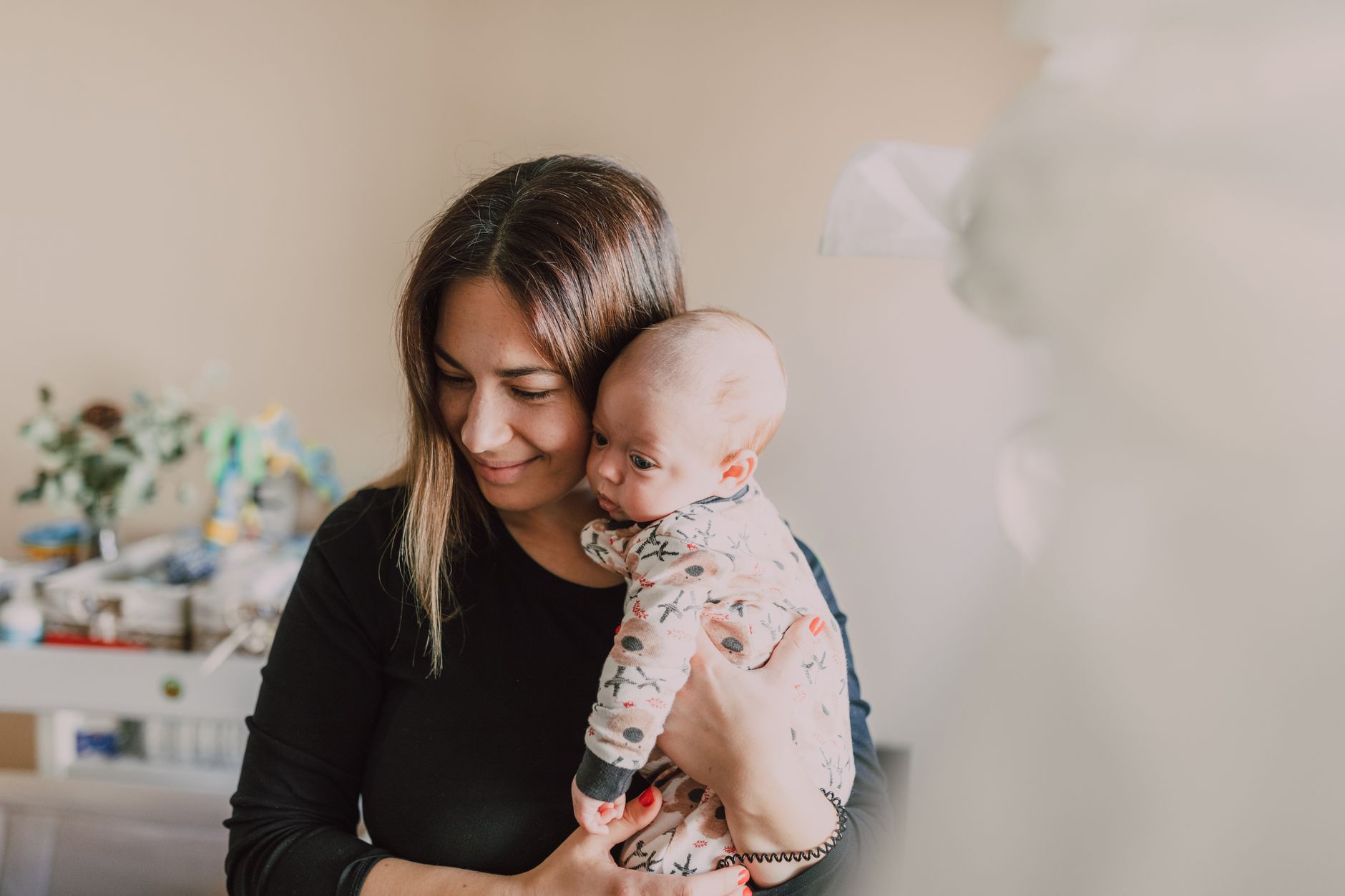
Why Postpartum Shedding Happens in the First Place
During pregnancy, your hormones kept your hair in its growing phase longer than usual. That is why your hair felt thicker and fuller while you were pregnant. Strands that would normally shed simply stayed put.
Then your baby arrived. Your estrogen dropped. And all those strands that had been hanging on finally entered the resting and shedding phase at the same time. That is the wave of loss you saw around three to five months postpartum. It has a name: telogen effluvium.
It feels dramatic because it happens all at once. But it is temporary. For most women, the shedding slows down by six to twelve months after birth. And once it slows, your follicles get back to growing.
The shedding is not permanent
This is the part many new moms miss. Postpartum shedding is not the same as long-term hair loss. Your hair count is essentially returning to your pre-pregnancy normal. You are not losing hair you would have kept forever. You are losing the bonus hair pregnancy gave you, plus catching up on months of skipped shedding.
What Baby Hairs Actually Tell You
When those baby hairs appear, your follicles have moved out of the resting phase and back into active growth. The short, wispy strands along your hairline and part are brand new hair, growing in from scratch.
They look different from the rest of your hair for a reason. They are younger and shorter. They have not had time to grow long or settle into your usual texture. Some women find them curlier, finer, or more wild than their old hair. That is normal. As they grow out, they tend to blend in.
So if you spot baby hairs, take a breath. Your scalp is doing exactly what it should. The recovery is underway.
How long until they catch up
Hair grows roughly half an inch per month. That means those baby hairs take time. You might be looking at flyaways for several months before they reach the length of your other strands. Patience is the hardest part, but the timeline is on your side.
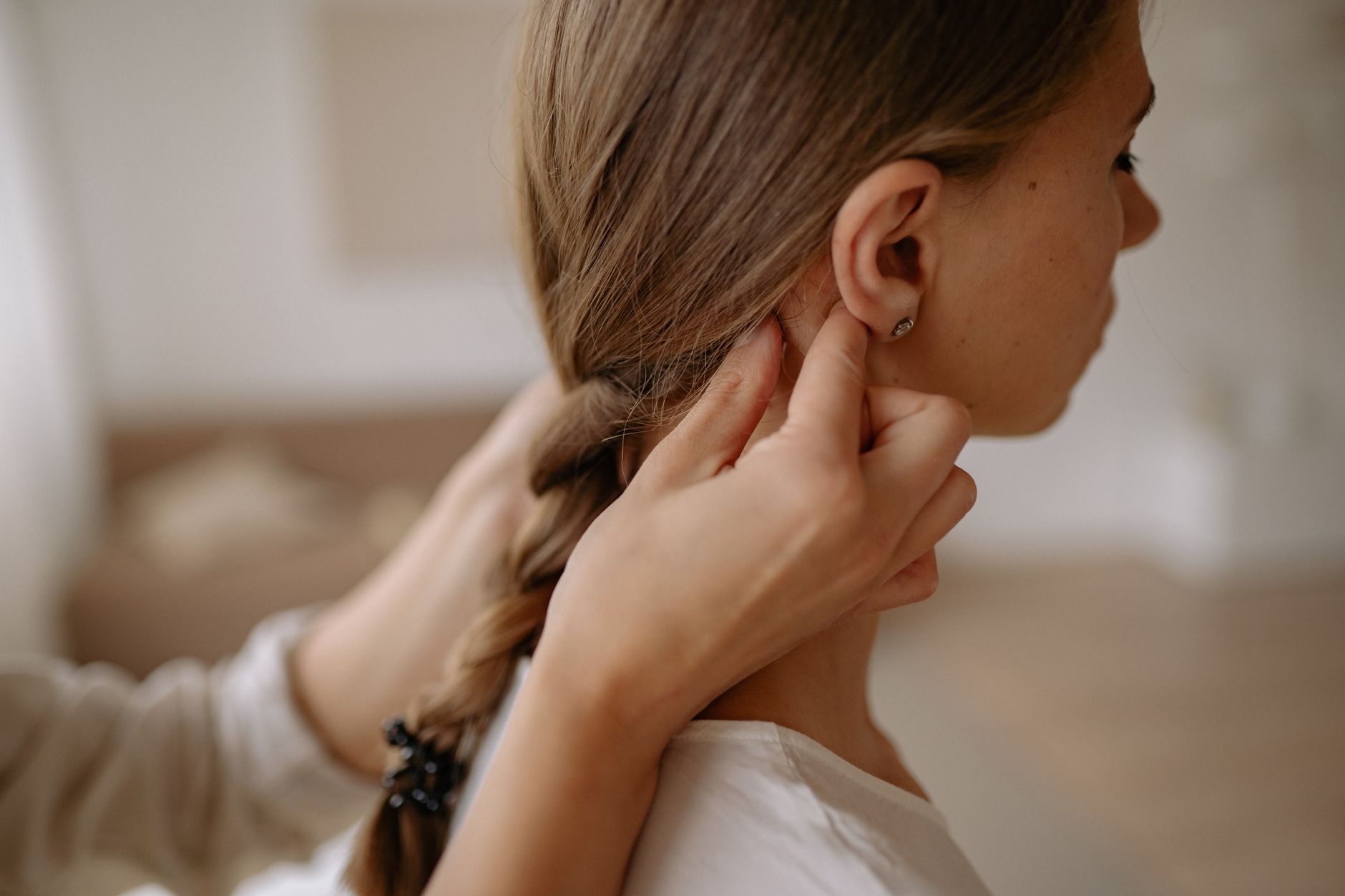
How to Care for New Baby Hairs and Support Regrowth
You cannot rush hair growth. But you can give your scalp and new strands the support they need to come in healthy. The goal is a calm scalp, well-fed follicles, and gentle handling.
Feed the follicle, not the hype
The internet loves to push rosemary oil and castor oil as miracle growth fixes. They are popular, but the research behind them is thinner than the buzz suggests. We took a different route.
Our Hair Growth Oil keeps the formula short and intentional: pumpkin seed oil, stinging nettle infusion, and vitamin E. Pumpkin seed oil is studied for its role in DHT modulation, the hormone process tied to hair thinning. Stinging nettle supports scalp circulation, which helps deliver nutrients to the follicle. Vitamin E helps with oxidative stress around the scalp. That is the entire formula. Nothing filler, nothing hyped.
Massage a few drops into your scalp and hairline. The massage itself encourages circulation, and the oil gives those new follicles something to work with.
Be gentle on a healing scalp
New hair is fragile. Skip the tight ponytails that pull on your hairline. Avoid harsh sulfate cleansers that strip your scalp. A gentle wash matters more than you might think.
Our Organic Shampoo Powder cleans without stripping. It is made with aloe vera, matcha green tea, apple cider vinegar, arrowroot, xanthan gum, and sodium cocoyl isethionate. Aloe soothes, apple cider vinegar helps balance the scalp, and the gentle cleansing base lifts buildup without leaving your scalp raw. A happy scalp is a better home for new growth.
Smooth the flyaways without flattening them
Baby hairs can stick straight up and refuse to cooperate. Instead of fighting them with heavy gels, a light touch of smoothing oil helps lay them down softly.
Our Glossing Serum uses flax seed oil, broccoli seed oil, vitamin E, sweet almond oil, and an essential oil blend. Warm a tiny amount between your fingers and press it gently along your hairline. It tames frizz and adds shine without the crunch.
When to Check In With a Professional
Most postpartum shedding follows a predictable pattern and resolves on its own. But sometimes hair loss points to something else, like low iron or thyroid changes, both common after birth.
If your shedding lasts well past twelve months, if you see widening patches, or if you feel exhausted in a way that goes beyond new-mom tiredness, talk to your doctor. A simple blood test can rule out deficiencies that slow regrowth. Caring for your hair includes caring for what is happening underneath it.
The Bottom Line on Baby Hairs
Those baby hairs are a quiet milestone. They mean the shedding chapter is closing and the regrowth chapter is opening. They will be short and stubborn for a while, and that is exactly how it should look.
Be patient with the timeline. Be gentle with your scalp. Feed your follicles with ingredients that earn their place. Your hair is finding its way back, one small strand at a time.