

You reach up to part your hair, and there it is. A sore, tender patch in one small spot. It does not cover your whole head. It is not itchy all over. It is one specific place that hurts when you press it or brush over it.
So why is my scalp tender in one spot? It is one of the most common questions we hear from women, especially new moms and anyone under stress. The good news is that most causes are simple and fixable at home.
Let's walk through what is really happening up there, what to watch for, and how to calm it down.
Why is my scalp tender in one spot? The most common causes
A single sore spot rarely means something serious. Usually it traces back to one of these everyday triggers.
1. Tight hairstyles and repeated tension
If you wear the same ponytail, bun, or part every day, you put steady pull on the same follicles. That tension inflames the area over time. The result is a tender patch, often right where your part sits or where your hair gathers.
This is called traction, and it builds quietly. You may not feel it on day one. By day five, that spot is sore to the touch.
2. Sleeping on one side
Pressure matters. If you favor one side at night, the same section of scalp presses into the pillow for hours. Friction and reduced circulation in that spot can leave it feeling bruised by morning.
3. Product buildup and an irritated scalp
Heavy styling products, dry shampoo, and residue from harsh cleansers settle into the scalp. They clog follicles and trap bacteria. One area can flare up more than the rest, especially near the crown or hairline.
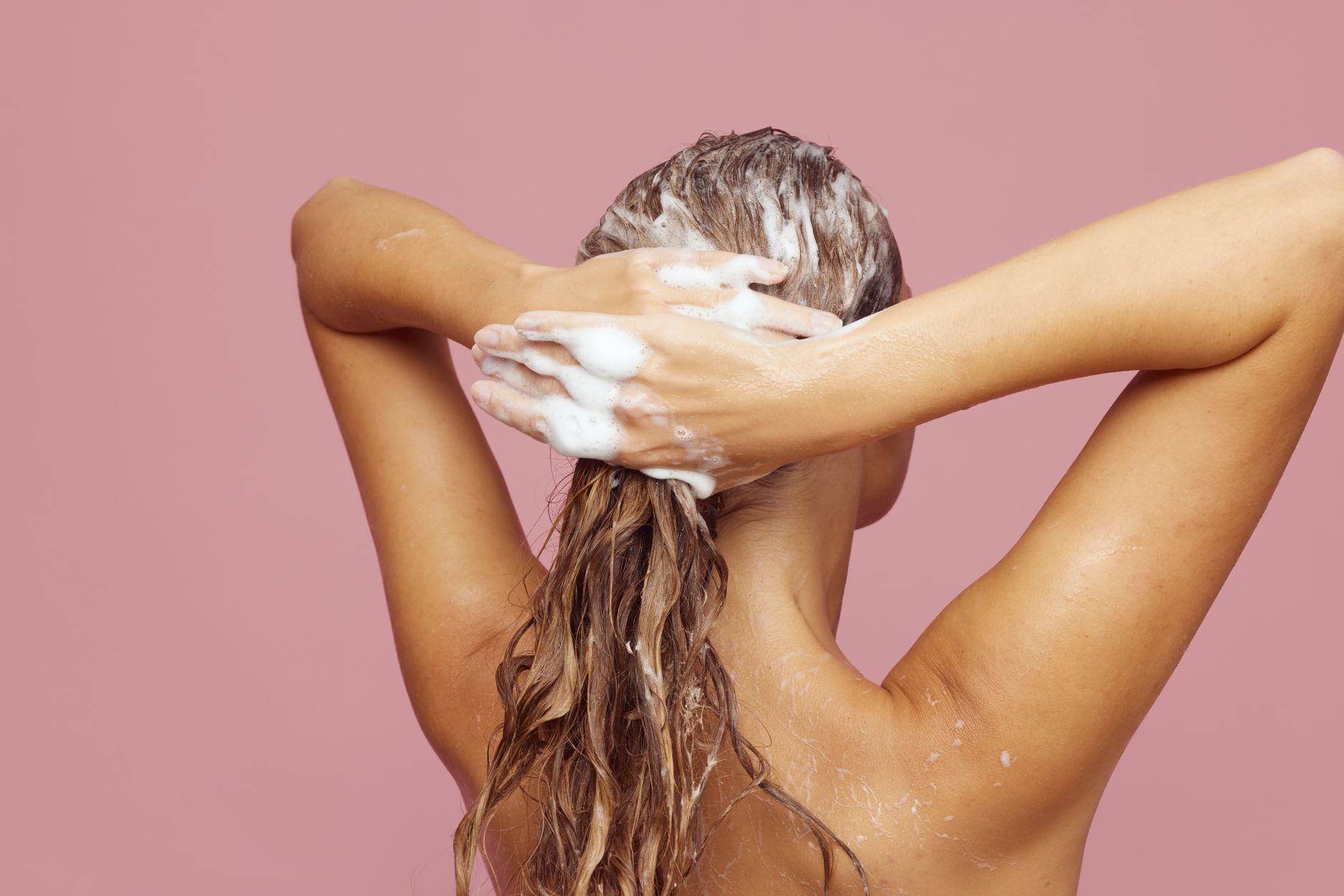
This is where a gentle wash matters. Our Organic Shampoo Powder uses aloe vera, matcha green tea, apple cider vinegar, arrowroot, xanthan gum, and a mild cleanser called sodium cocoyl isethionate. It lifts buildup without stripping your scalp raw, so an irritated spot has room to settle.
4. Stress and scalp tension
Stress tightens the muscles across your scalp, forehead, and neck. That tension can concentrate in one area and feel like soreness. New moms know this one well. Less sleep, more cortisol, and a body that holds everything tight.
5. A clogged follicle or early pimple
Sometimes the answer is small and physical. A single clogged follicle, an ingrown hair, or a forming pimple can make one spot tender before you can even see it.
When a tender spot needs more attention
Most tender spots fade in a few days. But a few signs are worth a closer look.
- The spot is warm, swollen, or oozing.
- You notice a bald patch forming around it.
- The tenderness spreads or gets worse over a week.
- You have a fever or feel unwell alongside it.
- The pain is sharp, shooting, or comes with tingling.
If any of these sound like you, see a dermatologist or doctor. Conditions like folliculitis, an infected follicle, or nerve sensitivity sometimes need real treatment. Trust your gut here.
How to soothe a tender scalp at home
For the everyday tender spot, small changes add up fast. Here is what helps.
Loosen up and change your part
Give your follicles a break. Swap tight styles for loose ones. Move your part a quarter inch. Take your hair down at night. This single habit removes the steady pull that creates so many sore spots.
Massage the area gently
A soft scalp massage brings blood flow to the spot and eases muscle tension at the same time. Use your fingertips, not your nails. Two minutes a day is enough. Think slow circles, not scrubbing.
Better circulation means better delivery of oxygen and nutrients to the follicles in that area. It also feels wonderful after a long day.
Feed your follicles
A tender, tense scalp often signals that the area is overworked and underfed. Circulation and follicle nutrition matter more than most people realize.
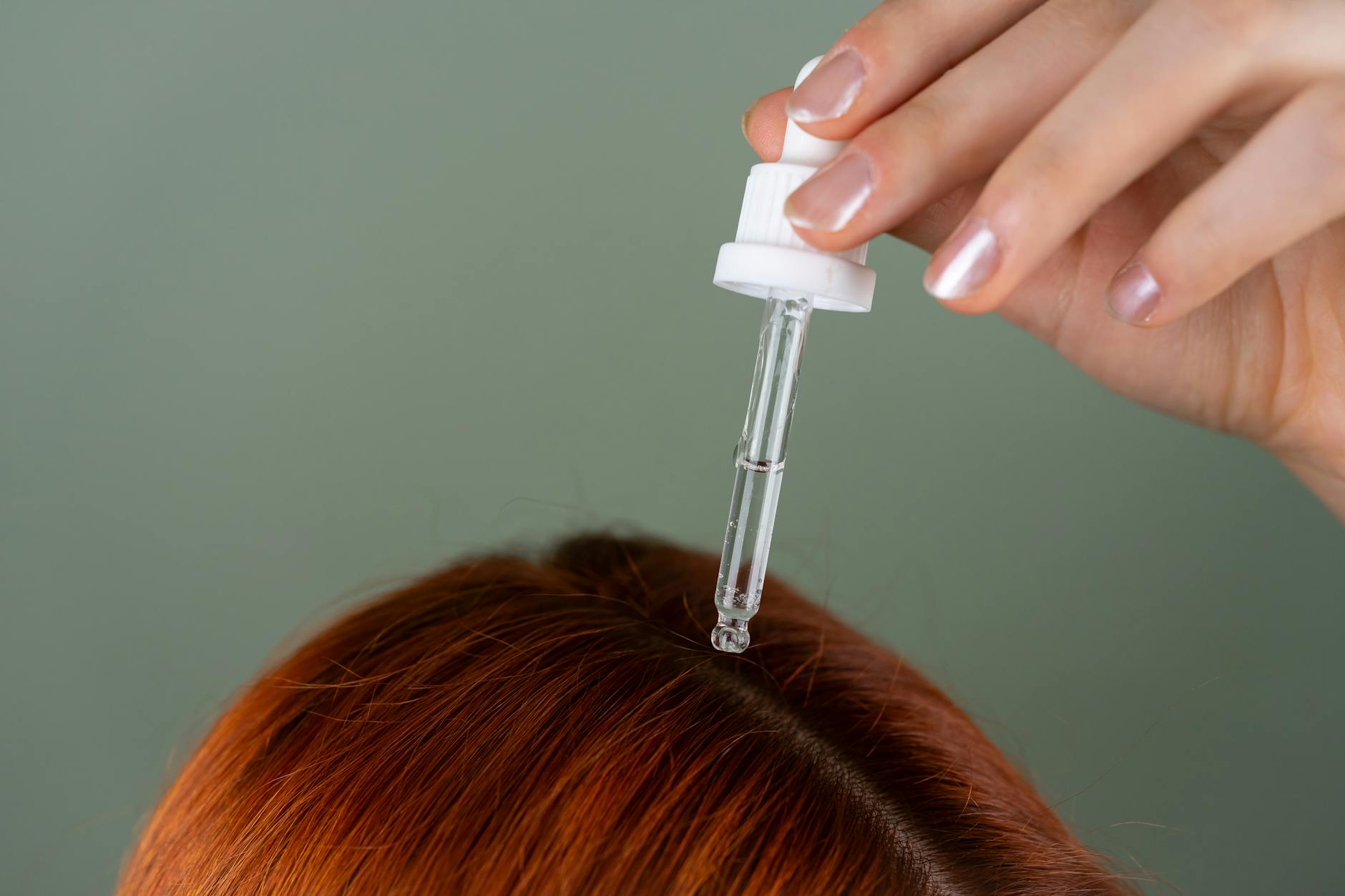
This is the thinking behind our Hair Growth Oil. The formula is short and intentional: pumpkin seed oil, stinging nettle infusion, and vitamin E. Pumpkin seed oil is studied for its role in modulating DHT, the hormone tied to follicle stress. Stinging nettle supports circulation at the scalp. Vitamin E helps protect against the oxidative stress that builds up in tired skin.
Warm a few drops between your palms and massage them into the tender area. You get the circulation benefit of the massage and the follicle support of the oil at the same time.
A note on the internet's favorite oils
You have probably seen rosemary oil and castor oil all over social media for scalp soreness and hair growth. They are popular, but the research behind them is thin, and they can feel heavy or irritating on an already tender spot. We leave them out on purpose. Our focus is on ingredients with a clearer story and a gentler feel.
Wash off buildup, then keep it light
If product residue is the culprit, a clarifying wash clears the way. After that, go easy. Heavy serums and waxes near the scalp restart the cycle. When you want shine, keep it on your lengths and ends.
Our Glossing Serum is made for exactly that. Flax seed oil, broccoli seed oil, vitamin E, sweet almond oil, and an essential oil blend smooth the hair shaft without piling onto your roots.
Manage the stress piece
If your tender spot tracks with hard weeks, your nervous system is part of the picture. Short walks, slower breathing, and a few minutes of scalp massage at night all lower the tension that settles into your scalp. You do not have to fix everything. Small, steady relief is the goal.
The takeaway on a tender spot
So, why is my scalp tender in one spot? Most of the time it comes down to tension, pressure, buildup, or stress, and all of those respond well to gentle care. Loosen your styles. Massage the area. Clean off buildup. Support your follicles with the right ingredients.
Watch for the warning signs, and reach out to a professional if the spot turns warm, swollen, or worsening.
Your scalp is skin, and it responds to kindness. Give that one sore spot a little attention, and it will usually settle on its own.